
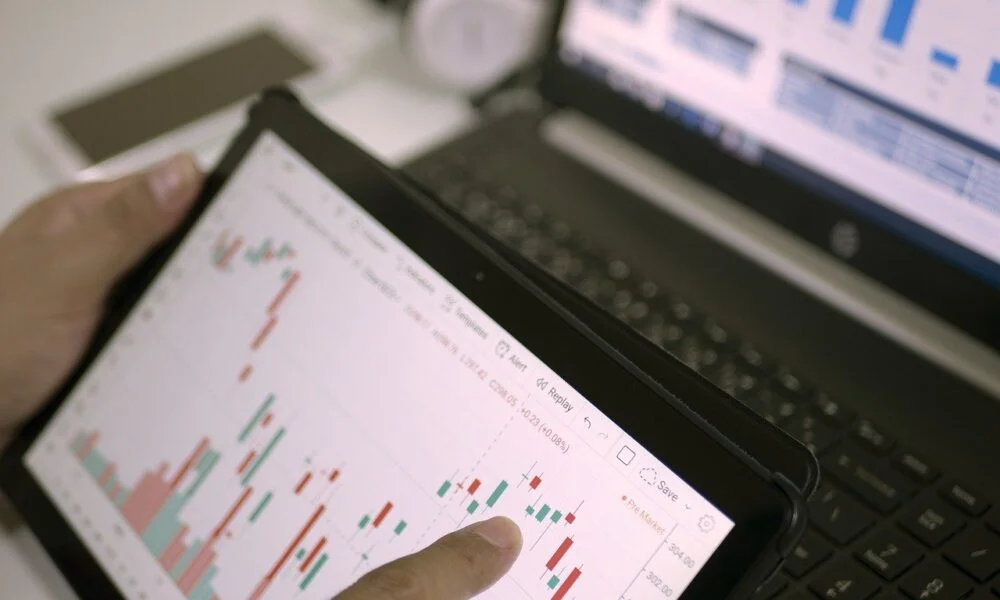
Trading mindset shifts that help reduce mistakes during active sessions
Busy sessions change how people think. The screen feels louder. Movements feel sharper. Decisions feel heavier. Even traders who know what they are doing start slipping once pressure creeps in. That is not a skill issue. It is a thinking issue.
When people read about best day trading strategies, they usually expect technical fixes. New setups. New indicators. What they rarely work on is how their head behaves once action starts. That is where most mistakes are born. Not from charts, but from reactions. This is about small mental shifts that quietly reduce errors when things speed up.
Dropping the need to prove yourself
- A lot of mistakes come from wanting validation. Wanting the idea to work. Wanting to feel smart.
- This creates attachment. Once attached, traders stop listening to what price is showing. They hold too long. They delay exits. They justify instead of adjust.
- A healthier shift is accepting that trades do not prove anything. They are just attempts in uncertain conditions. Letting go of the need to prove yourself makes it easier to cut losses without hesitation.
- Nothing good comes from arguing with the screen.
Separating results from personal value
- Losses hit harder when they feel personal. One bad trade suddenly feels like a judgment on ability.
- That mindset creates defensive behavior. Overtrading to recover. Hesitating on the next setup. Avoiding decisions out of fear.
- Stronger traders separate outcomes from identity. A losing trade is not failure. It is feedback. That separation keeps confidence steady even during rough sessions.
- Confidence built this way does not collapse easily.
Paying attention to behavior instead of money
- Money is loud. It pulls focus immediately. But focusing on it during the session usually creates pressure.
- Traders who reduce mistakes focus on behavior instead. Did I follow my plan. Did I respect risk. Did I act calmly.
- Behavior stays consistent even when results do not. Over time, focusing on behavior naturally improves results without forcing anything.
- This shift reduces emotional swings.
Accepting missed trades without chasing
- Missed trades hurt the ego. Watching price move without you feels uncomfortable.
- Chasing after a miss usually leads to worse entries and fast regret. Traders who reduce errors accept misses quickly. They do not punish themselves for it.
- They remind themselves that markets offer endless chances. One missed move does not matter in the long run.
- Letting go quickly keeps the next decision clean.
Treating losses as information not punishment
- Losses carry useful details. Entry timing. Size choice. Emotional response.
- When traders treat losses as punishment, they avoid learning. When they treat them as information, improvement happens naturally.
- This shift changes how losses feel. They become part of progress instead of something to fear.
- Fearless learning improves consistency.
Reducing urgency when things move fast
- Fast movement creates urgency. Urgency compresses thinking.
- A simple mental shift is reminding yourself that nothing needs to happen right now. Opportunities repeat. Missing one does not end progress.
- Reducing urgency internally helps decisions stay calm even when price moves sharply.
- Calm decisions outperform rushed ones.
Building patience as an active skill
- Patience is not waiting blindly. It is choosing not to act until conditions feel right.
- Traders who build patience stop forcing opportunities. They wait for alignment instead of creating action.
- This patience quietly reduces error rate more than most technical tweaks.
Why these mindset shifts matter long term
- Small mental changes compound over time. Fewer emotional trades. Better exits. Faster recovery after losses.
- Eventually traders realize that best day trading strategies only work when thinking stays grounded during pressure. Without that grounding, even good plans break down.
Trading will always test emotions. That does not change. What changes is how traders respond to those emotions. Mindset shifts help reduce mistakes without changing charts or tools. They keep thinking flexible when sessions get busy. When the head stays steady, execution improves naturally. And that steady execution is what keeps traders moving forward, one controlled session at a time.

More Stories

Why Strong Accounting Solutions Are Essential for Scaling Your Business
Every business faces new challenges and enthusiasm with growth. Records expand and tasks grow more complex with each new step....

3 Ways Retirement Planning Tools Can Secure Your Future
For many people, retirement is something blurry, cast in the far future. It catches most people unawares, throwing them into...

Leveraging The Advantage Of NRI Fixed Deposits In India
For Non-Resident Indians (NRIs), investing in India has always brought emotional and financial satisfaction. While equities and real estate often...

Who is a Sub Broker (Authorised Person) and What Are Their Roles and Responsibilities?
Investing in the stock market requires expertise, and many traders seek professional assistance to navigate the complexities of trading. This...

Choose the Right Bookkeeping Services of the Lot
When it comes to running a business successful, there are several factors to take into consideration. There are some important...

Smart Saving for Students: How Budgeting Apps Can Help
College life presents a whirlwind of opportunities and expenses, making financial management a crucial skill. Between hefty tuition bills, costly...