
A loan app can simplify the process of checking eligibility, submitting documents, reviewing offers, and managing repayment from a mobile device. The convenience can be useful, but faster access to credit should still be supported by careful financial decisions.
The right approach begins before the application is submitted. Borrowers should first decide why they need the money, how much is actually required, whether the EMI fits their monthly budget, and whether they understand the complete cost of borrowing.
Begin With The Expense, Not The Loan
The first question should be about the expense that needs funding. Medical costs, education, home repairs, professional requirements, and planned personal expenses can all create different borrowing needs.
Starting with the expense helps establish whether a loan is actually required and prevents the available credit limit from influencing the amount borrowed. The objective should be to fund a defined requirement rather than turn easy access to credit into additional discretionary spending.
Establish The Funding Gap
Once the purpose is clear, work out how much money is genuinely required. Look at the complete expense alongside the money you can use without weakening your financial safety net.
Consider these four figures together:
- Total amount required
- Savings available for the expense
- Amount that should remain as an emergency reserve
- Remaining funding gap
This calculation can prevent unnecessary borrowing. When the required amount is lower, the principal, EMI, and total repayment burden will generally also be lower, assuming the other loan terms remain the same.
Check Whether You Are Ready To Apply
Before opening an application, review the factors that may affect eligibility. Lenders can consider income, employment type, credit profile, existing liabilities, age, and repayment history when assessing an applicant.
Knowing these requirements in advance can make the application process more efficient. It may also help avoid submitting multiple applications without first understanding whether the underlying eligibility factors are suitable.
Prepare The Information The Application May Require
Digital borrowing applications can require both identification and financial information. Depending on the lender and loan product, applicants may need documents such as PAN, address proof, income records, bank details, and other KYC information.
Having the necessary documents available can make the process smoother, but convenience should not come at the expense of security. Upload sensitive information only through the lender’s official and verified channels. Avoid sending financial or identification documents through unknown links, unverified websites, or unfamiliar messaging accounts.
Look At The Complete Offer
The interest rate shown in an advertisement is only one part of the borrowing cost. Once an actual offer is available, review the terms together rather than focusing on the headline rate.
Pay particular attention to:
Upfront costs: Check processing fees and other applicable charges.
Repayment structure: Review the EMI and selected tenure.
Payment-related charges: Understand the consequences of late payments.
Early repayment: Check the conditions, charges, and requirements for part-prepayment or foreclosure.
The total repayment amount provides a broader view of the cost. A lower advertised interest rate does not necessarily mean a lower overall expense if additional charges are substantial.
Put The EMI Into Your Existing Budget
The final affordability check should happen against your normal monthly cash flow. Consider the proposed EMI alongside expenses such as rent, existing EMIs, groceries, insurance, utility payments, and regular savings commitments.
The important question is not simply whether the EMI can be paid in an average month. There should also be enough remaining cash flow to handle unexpected expenses.
If the new payment leaves almost no room after essential commitments, the repayment plan may become difficult to maintain when an unplanned expense arises. A loan should fit into the broader household budget rather than consume most of the available monthly flexibility.
Keep Everyday Payment Habits Visible
A borrower’s regular spending patterns can help reveal whether another fixed financial obligation is realistic. Tools such as digital wallets may be part of day-to-day payment activity, and reviewing these recurring outflows can help create a clearer picture of monthly cash flow before adding a new EMI.
The goal is not to reduce every expense, but to understand where money is already going.
That visibility can support better borrowing decisions.
Secure The Borrowing Process First
A personal loan application involves sensitive financial and identity information, so the first step is making sure the digital channel is trustworthy. Before entering any details, verify that the app or platform belongs to the lender or an authorised provider.
Check the developer information, references to the lender’s official website, requested app permissions, and available customer-support details. Avoid installing financial applications through unknown links or unofficial sources. The same level of caution used for banking services should apply to loan applications.
Account security also depends on keeping authentication information private. Passwords, OTPs, PINs, and authentication codes should never be shared with someone claiming to provide application or repayment assistance. If help is required, use verified customer-care channels.
Understand The Commitment Before Accepting It
Before accepting a loan, make sure the repayment structure is completely clear. The key details include:
- EMI amount
- EMI due date
- Number of instalments
- Total repayment period
- Applicable charges
These details determine how the loan will fit alongside existing financial commitments after disbursal.
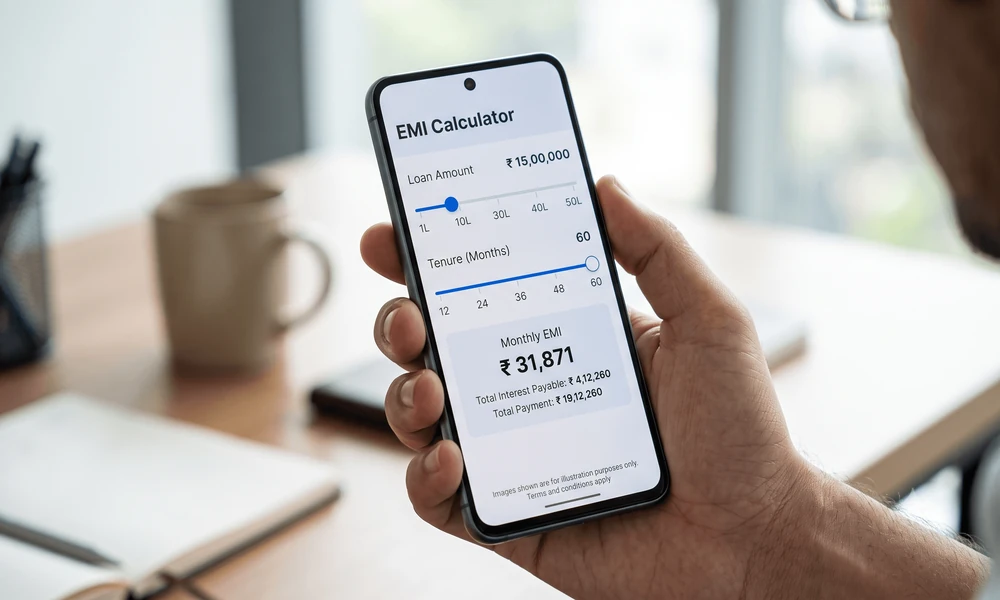
Tenure also deserves separate attention. A longer repayment period can make the monthly EMI smaller, but it may increase the total interest paid. A shorter tenure can reduce the overall interest cost while creating a larger monthly obligation.
The decision therefore needs to account for both monthly affordability and total borrowing cost, rather than focusing only on the smallest possible EMI.
Build The Repayment Plan Around Income You Already Have
A repayment schedule should not depend on a salary increase, future bonus, or expected business income that has not yet been received.
Future income improvements may provide additional flexibility, but they should not be necessary for meeting regular EMIs. A loan that is manageable using current and reasonably stable income provides more room if expected increases are delayed or do not materialise.
Before the first EMI arrives, consider how the payment fits into the normal monthly budget and whether some money can remain available for unexpected expenses.
Make Automation Support Your Budget
Auto-debit can be useful because it reduces the chance of forgetting an EMI. However, the linked account still needs sufficient funds before the scheduled payment date.
Automation does not prevent problems caused by inadequate account balances. Maintaining a small repayment buffer can provide additional protection during months when expenses are higher than expected or income is temporarily delayed.
This reserve may be useful for situations such as:
- Temporary income delays
- Medical expenses
- Essential repairs
The objective is to prepare for an imperfect month rather than assume every month will follow the expected budget exactly.
Keep An Exit Option In View
Financial circumstances can improve after a loan begins, creating an opportunity to repay some or all of the outstanding amount earlier. This possibility should be understood before accepting the loan.
Review the lender’s rules for part-prepayment, foreclosure, applicable charges, and minimum payment requirements. Knowing these conditions in advance makes it easier to assess how much flexibility the loan provides if additional funds become available later.
Manage The Loan After Disbursal
Receiving the loan amount does not end the financial planning process. It marks the beginning of the repayment period.
Continue tracking:
Payments: Confirm that each EMI is processed correctly.
Balance: Monitor the remaining outstanding amount.
Charges: Review any fees or additional amounts appearing on the account.
Repayment history: Keep track of completed and upcoming instalments.
Regular monitoring can help identify discrepancies or missed payments early and gives a clearer view of progress toward completing the loan.
Pause Before Adding More Debt
Another loan should not automatically follow the first one. Before taking on another obligation, consider how the existing EMI has affected monthly cash flow, savings, and financial flexibility.
Adding multiple loans can increase monthly commitments and leave less room for unexpected expenses. If another borrowing requirement arises, assess it against the existing debt rather than considering the new loan independently.
Use The Completed Loan As A Financial Review
Repayment provides useful information about actual borrowing capacity. Once the loan is fully repaid, look back at whether the EMI was comfortable, whether the charges were clearly understood, whether the selected tenure worked well, and whether the loan achieved its intended purpose.
This review can help identify which parts of the borrowing process worked well and where future decisions may need greater attention. The experience can then become a practical reference for evaluating future borrowing needs.
Conclusion
A loan app can make borrowing more convenient, but responsible use depends on decisions made before, during, and after the application.
Borrowers should define the purpose, calculate the actual funding gap, review eligibility, understand total costs, protect personal information, and choose an EMI that fits comfortably within the monthly budget. After disbursal, regular repayment tracking and financial discipline remain essential.
The strongest use of a loan app is not simply completing an application quickly. It is using digital convenience to support a borrowing decision that remains manageable throughout the full repayment period.
FAQs
1. What Should I Check Before Using A Loan App
Check the borrowing purpose, required amount, eligibility, interest rate, total repayment cost, fees, tenure, and EMI affordability before applying.
2. Is It Safe To Upload Documents On A Loan App
Documents should be uploaded only through an official and verified lender or authorised platform. Avoid sharing sensitive documents through unknown links or unofficial channels.
3. How Do I Know If The EMI Is Affordable
Compare the EMI with monthly income, essential expenses, existing debt payments, savings commitments, and emergency needs.
4. Should I Choose The Longest Available Loan Tenure
Not automatically. A longer tenure may lower the EMI but can increase total interest cost. Choose a tenure that balances affordability with overall repayment.
5. What Should I Do After The Loan Is Disbursed
Track EMI due dates, maintain sufficient account balance, monitor the outstanding amount, review charges, and avoid taking additional debt without assessing your total repayment burden.